The Global AI Governance Split: India’s 'Innovation First' vs. Europe’s 'Regulation First'
By dunghv, at: Dec. 5, 2025, 3:40 p.m.
Estimated Reading Time: __READING_TIME__ minutes
The world is currently dividing into two major camps on how to govern Artificial Intelligence: the European Union and India. While both recognize the need for ethical AI, their foundational philosophies, Europe’s precautionary principle versus India’s innovation-over-restraint, are leading to dramatically different regulatory landscapes.
This split is more than just policy divergence; it creates a complex, multi-speed environment for global tech companies and will shape where AI talent and investment flows in the next decade.
The European Model: The AI Act
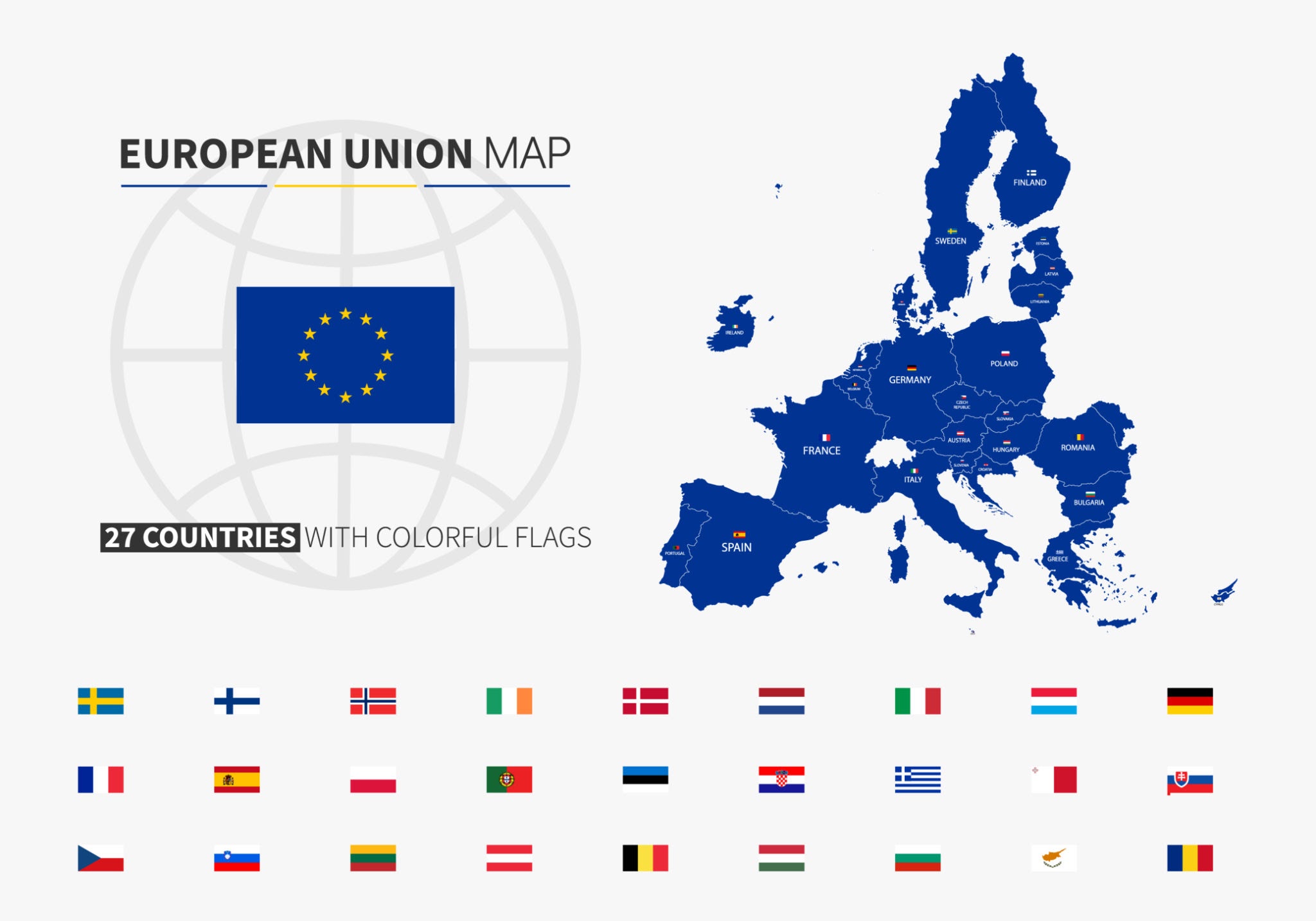
The EU’s landmark AI Act is a global first and the epitome of the "regulation first" approach. It focuses on classifying AI systems based on their risk level, with strict rules for "unacceptable risk" (e.g., social scoring) and stringent requirements for "high-risk" applications (e.g., healthcare, critical infrastructure).
-
The Philosophy: Protection and trust. The EU prioritizes the safety and fundamental rights of its citizens, accepting that strict rules may slow down development but ensures ethical deployment.
-
The Effect: Global tech firms must now design their systems to be "EU-compliant" from the start, effectively making the EU’s standards a global baseline - a phenomenon known as the "Brussels Effect."
The Indian Model: Innovation over Constraint
India, one of the world’s fastest-growing digital economies, has adopted a markedly different, “innovation first” stance. Instead of creating a new, separate AI regulation, the government relies on existing digital laws like the Digital Personal Data Protection (DPDP) Act, 2023, and sectoral regulations to manage AI risk.
-
The Philosophy: Acceleration and development. India views AI as a critical economic driver and prioritizes creating a flexible, friction-free environment to encourage domestic AI innovation and investment. The government is aiming to be a global AI hub.
-
The Effect: India offers a less restrictive testing ground for AI development, potentially attracting companies that find the EU's compliance burdens too heavy. This approach banks on fostering innovation today, with the promise to address risks through adaptive regulation later.
A Fork in the Global Road
This divergence forces global AI developers to make strategic choices. Will they choose to comply with the heavy regulatory burden of the EU to access its lucrative single market, or will they leverage the speed and lower compliance costs of India to innovate rapidly?
For consumers, this split means different levels of protection. Europeans will enjoy some of the strongest AI rights in the world, while Indian citizens will benefit from faster technological adoption, albeit under a regulatory regime that is currently more focused on general data privacy than specific AI harms. The future of global AI governance will depend on which approach (regulation or innovation) proves to be more effective and sustainable in the long run.
Sovereign AI for Development: The Hybrid Strategy of Vietnam's AI Regulation
In the global debate over AI governance, Vietnam is charting a unique, ambitious path that seeks to be both safe and self-reliant. Rather than solely adopting the EU’s strict regulatory framework or India’s lighter touch, Vietnam's strategy can be termed Sovereign AI, positioning AI not just as a technology, but as a new national infrastructure critical for socio-economic development and security.
1. Risk-Based Regulation with a Local Lens
Vietnam's approach to AI regulation is heavily influenced by the EU's pioneering AI Act, but tailored to local priorities.
- Risk-Based Classification: The draft AI Law (expected to be finalized by the end of 2025) mirrors the EU's tiered approach, classifying AI systems into risk levels (Unacceptable, High-Risk, and others). Prohibited systems include those that threaten national security, human dignity, or social order
- National Autonomy: Unlike the EU, Vietnam's principles uniquely underscore national autonomy and cultural preservation. The goal is to develop and deploy "Make in Vietnam" AI solutions while ensuring that foreign providers operating in the country comply with local laws and ethical codes
-
Existing Foundation: This new law builds on the robust Decree 13/2023/ND-CP on Personal Data Protection. This existing law already establishes strong requirements for data consent, cross-border data transfer impact assessments, and strict penalties for misuse - providing a strong data privacy baseline for all AI applications.
2. AI as Core National Infrastructure
The "Sovereign AI" philosophy dictates massive public and private investment to close the "infrastructure gap" with global leaders.
- Investment Focus: The government is pushing for the establishment of a national AI supercomputing center and a shared open AI data platform. The National Technology Innovation Fund (NATIF) is prioritizing AI projects, allocating at least 40% of its budget to support adoption, particularly by domestic Small and Medium-sized Enterprises (SMEs)
- National Strategy: The revised National AI Strategy (2025-2030) aims to propel Vietnam into the top 50 countries globally in AI by 2030. The ambition is to make AI ubiquitous - a new "intellectual infrastructure," much like electricity was a century ago.
- The "And" Philosophy: As stated by officials, Vietnam pursues a development path of "Global and Local," "Collaboration and Autonomy," and "Open Data and Protected Data." This reflects the balancing act between international integration and safeguarding digital sovereignty.
The Balancing Act
Vietnam's AI strategy is a dynamic attempt to seize the opportunity for a technology-driven leap forward while avoiding the ethical pitfalls that have plagued early AI adopters. The central challenge lies in maintaining regulatory flexibility to encourage rapid domestic innovation, while simultaneously enforcing strict standards (especially for high-risk systems) to safeguard its citizens and national interests against misuse.