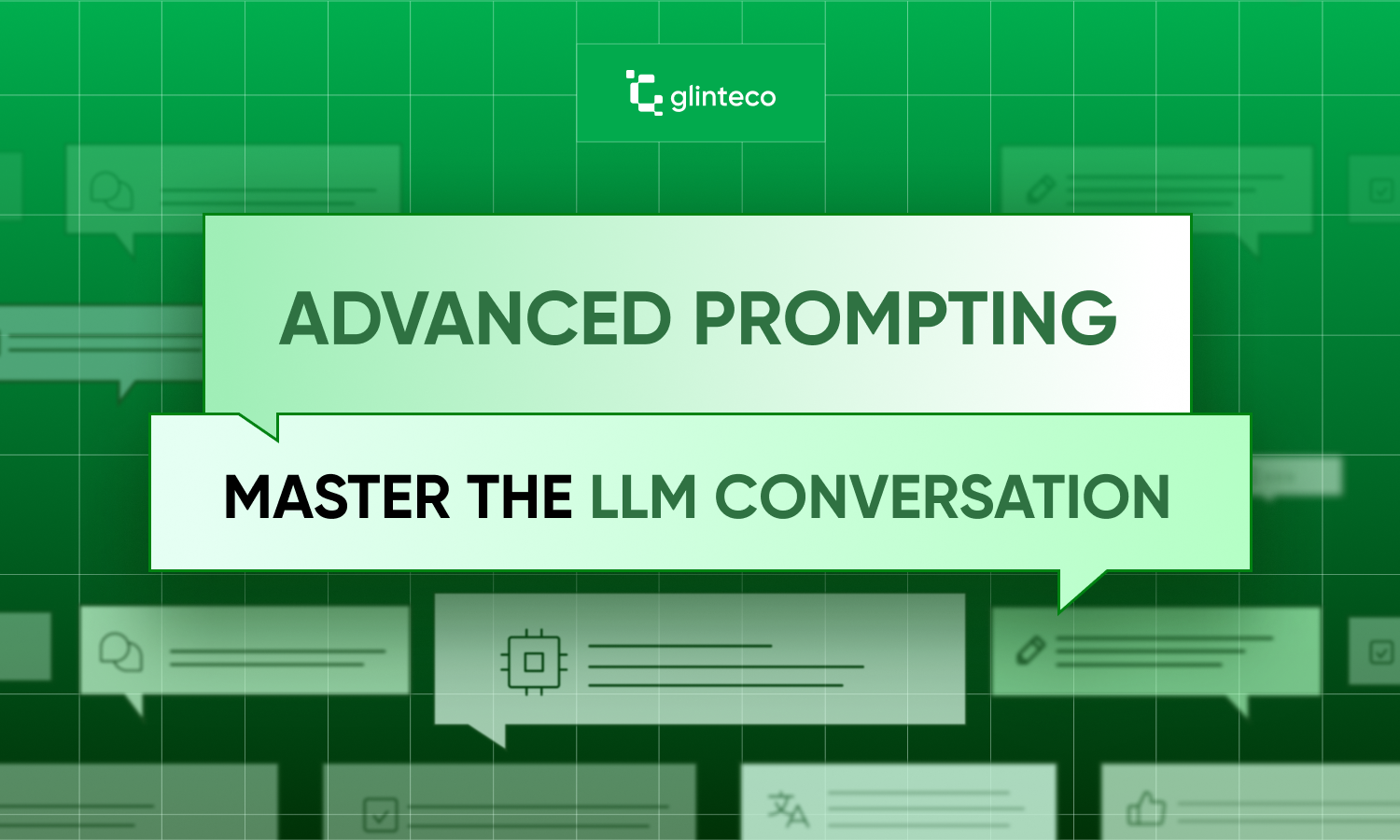
Sổ tay hướng dẫn lời nhắc AI: 5 kỹ thuật để đạt kết quả ở cấp độ chuyên gia
By antt, at: 06:00 Ngày 03 tháng 12 năm 2025
Thời gian đọc ước tính: __READING_TIME__ phút
1. Vượt xa "Đầu vào rác, đầu ra rác"
Tất cả chúng ta đều đã trải qua điều này. Bạn tạo ra một câu lệnh có vẻ hoàn toàn rõ ràng, chỉ để nhận được một phản hồi chung chung, vô ích hoặc hơi lệch mục tiêu từ trợ lý AI của bạn. Sự thất vọng là có thật và nó thường dẫn đến kết luận rằng AI vẫn chưa đủ "thông minh". Nhưng điều gì sẽ xảy ra nếu vấn đề không phải là trí thông minh của AI, mà là ngôn ngữ chúng ta đang sử dụng để giao tiếp với nó? Sự thông thái thông thường của "đầu vào rác, đầu ra rác" chỉ nói lên một nửa câu chuyện. Chìa khóa thực sự là hiểu rằng Mô hình Ngôn ngữ Lớn (LLM) không phải là những thực thể biết tất cả.
"Về cốt lõi, một Mô hình Ngôn ngữ Lớn (LLM) chỉ là một cỗ máy phân tích ngôn ngữ, khớp mẫu. Việc nó đôi khi cung cấp cho chúng ta thông tin hữu ích chỉ là một sự trùng hợp ngẫu nhiên... Chúng chỉ rất giỏi trong việc nhận dạng và tái tạo mẫu."
Khi chúng ta hiểu được điều này, chúng ta có thể chuyển cách tiếp cận của mình từ việc đưa ra các lệnh đơn giản sang việc cấu trúc chiến lược các yêu cầu của chúng ta. Bất kỳ câu lệnh cấp chuyên gia nào cũng được xây dựng dựa trên bốn thành phần cốt lõi: Con người (AI nên là ai), Nhiệm vụ (nó nên làm gì), Bối cảnh (nền tảng liên quan) và Định dạng (đầu ra nên hiển thị như thế nào).
Bài viết này tiết lộ năm kỹ thuật mạnh mẽ đóng vai trò là một bậc thầy trong khuôn khổ này. Bạn sẽ học cách vượt ra khỏi các yêu cầu đơn giản và bắt đầu nói ngôn ngữ của AI để có kết quả tốt hơn một cách đáng kể.
2. Tác động đến Quá trình, không chỉ câu trả lời, bằng Tư duy theo Chuỗi
Một trong những cách hiệu quả nhất để cấu trúc một tác vụ phức tạp là ngừng yêu cầu trực tiếp câu trả lời cuối cùng. Thay vào đó, hãy hướng dẫn AI thể hiện công việc của nó. Đây là cốt lõi của việc nhắc nhở Tư duy theo Chuỗi (CoT), một kỹ thuật hướng dẫn mô hình phân tích lý luận của nó thành các bước trung gian trước khi kết luận.
Có hai phương pháp chính cho CoT:
- Zero-shot CoT: Đây là cách tiếp cận đơn giản nhất. Bằng cách thêm một cụm từ trực tiếp nhưng mạnh mẽ như "Hãy suy nghĩ từng bước", bạn sẽ kích hoạt mô hình thể hiện quy trình logic của nó. Điều này bắt chước cách con người giải quyết các vấn đề phức tạp bằng cách giải quyết chúng từng phần một.
- Few-shot CoT: Phương pháp này thường hiệu quả hơn đối với các tác vụ khó. Nó liên quan đến việc cung cấp cho AI các ví dụ thể hiện quá trình lý luận. Bằng cách hiển thị cho mô hình một bản thiết kế về cách suy nghĩ, bạn hướng dẫn nó tái tạo cấu trúc logic đó.
Ví dụ, để giải một bài toán logic, bạn có thể cung cấp ví dụ vài lần này:
Q: Shawn có năm đồ chơi. Vào Giáng sinh, anh ấy nhận được hai đồ chơi mỗi người từ mẹ và cha mình. Bây giờ anh ấy có bao nhiêu đồ chơi?
A: Shawn bắt đầu với 5 món đồ chơi. Anh ấy nhận được 2 món đồ chơi từ mẹ và 2 món đồ chơi từ cha. Vì vậy, tổng cộng, anh ấy nhận được 2 + 2 = 4 món đồ chơi. Bây giờ anh ấy có 5 + 4 = 9 món đồ chơi. Câu trả lời là 9.
Kỹ thuật này cải thiện độ chính xác trong các tác vụ liên quan đến logic, toán học hoặc mã hóa vì nó làm cho lý luận của AI minh bạch.
"Bằng cách xem các bước lý luận mà mô hình thực hiện, người dùng có thể hiểu rõ hơn về mô hình và gỡ lỗi nếu/khi các đường dẫn lý luận gặp sự cố."
3. Sử dụng "Câu lệnh phủ định" để đặt ranh giới rõ ràng
Trong khi chúng ta thường tập trung vào việc cho AI biết phải làm gì, thì việc cho nó biết những gì không nên làm cũng hiệu quả không kém. Kỹ thuật này, được gọi là "câu lệnh phủ định", là một cách nâng cao để kiểm soát Định dạng và Bối cảnh bằng cách hướng dẫn AI về những gì cần loại trừ hoặc tránh.
Đối với việc tạo văn bản, các ví dụ rõ ràng về các câu lệnh phủ định bao gồm:
- "Đừng sử dụng ngôn ngữ báo động."
- "Tránh biệt ngữ kỹ thuật."
- "Tránh tiếng lóng, ngôn ngữ không trang trọng và các trò đùa."
Kỹ thuật này cũng là một vũ khí bí mật trong việc tạo hình ảnh. Để có được một hình ảnh sạch hơn, chuyên nghiệp hơn, bạn có thể thêm một câu lệnh phủ định như: "bị biến dạng, thừa chi, mờ, chất lượng thấp, văn bản, hình mờ"
Các câu lệnh phủ định hoạt động như "rào chắn", hướng AI tránh xa các khuôn mẫu không mong muốn, kiểu dáng không phù hợp hoặc những sai sót phổ biến. Nếu AI của bạn thường bao gồm các tuyên bố từ chối trách nhiệm quá chính thức, một câu "Đừng bao gồm bất kỳ câu giới thiệu nào" đơn giản có thể ngay lập tức làm cho đầu ra trở nên trực tiếp hơn. Mức độ kiểm soát này thường khó đạt được chỉ với các hướng dẫn tích cực.
4. Vượt ra ngoài vai trò đơn giản với các Nhân vật chi tiết
Bạn có thể đã thử một câu lệnh nhập vai như, "Đóng vai một chuyên gia tiếp thị." Đây là một khởi đầu tốt, nhưng để thực sự làm chủ thành phần Nhân vật, bạn cần cung cấp cho AI một danh tính chi tiết, coi nó ít giống một trợ lý chung và giống một diễn viên phương pháp hơn.
Tương phản với câu lệnh đơn giản này: "Đóng vai một chuyên gia tiếp thị."
Với một nhân vật chi tiết: "Bạn là Marcus Rodriguez, Phó Chủ tịch Bán hàng tại một công ty phần mềm an ninh mạng có 200 nhân viên có trụ sở tại Atlanta. Bạn đã bán các giải pháp bảo mật doanh nghiệp được 8 năm... Khách hàng tiềm năng của bạn là các giám đốc CNTT và CISO tại các công ty có 500-5.000 nhân viên, những người quan tâm đến vi phạm dữ liệu và các yêu cầu tuân thủ."
Một nhân vật chi tiết hoạt động bằng cách kích hoạt một cụm dữ liệu rất cụ thể trong quá trình đào tạo của LLM. Bằng cách cung cấp các thuật ngữ như "an ninh mạng", "CISO" và "tuân thủ", bạn đang buộc mô hình phải rút ra từ vốn từ chuyên nghiệp và chính xác về mặt kỹ thuật hơn so với các mẫu chung được kích hoạt bởi "chuyên gia tiếp thị". AI không chỉ chấp nhận một chức danh công việc; nó chấp nhận một thế giới quan, một đối tượng cụ thể và một kho tàng ngôn ngữ chuyên ngành.
"Một nhân vật chỉ đơn giản là một định dạng làm cho thông tin chi tiết về khách hàng của bạn hữu ích."
5. Kiểm soát "Quay số Sáng tạo" bằng cài đặt Nhiệt độ
Nếu bạn từng cảm thấy đầu ra của AI quá máy móc hoặc ngược lại, quá vô nghĩa, thì giải pháp có thể nằm trong một cài đặt có tên "Nhiệt độ". Tham số này là một cách nâng cao để kiểm soát Bối cảnh bằng cách điều chỉnh tính ngẫu nhiên của đầu ra của AI. Nó điều chỉnh phân phối xác suất để chọn từ tiếp theo trong một câu.
Nhiệt độ thấp (ví dụ: 0.0-0.3): Điều này làm cho đầu ra xác định hơn. Mô hình bị buộc phải chọn từ có khả năng thống kê nhất (và thường là phổ biến nhất), dẫn đến văn bản tập trung, dựa trên sự kiện và có thể đoán trước được.
Nhiệt độ cao (ví dụ: 0.8+): Điều này làm cho đầu ra sáng tạo và đa dạng hơn. Mô hình được phép xem xét các từ ít có khả năng xảy ra hơn, đáng ngạc nhiên hơn, dẫn đến những ý tưởng mới lạ nhưng cũng có nguy cơ cao hơn về các lỗi thực tế.
Quy trình làm việc ở cấp độ chuyên gia là chiến lược "tạo hai lượt". Đầu tiên, sử dụng nhiệt độ cao (ví dụ: 0,8) để khám phá một loạt các tùy chọn sáng tạo. Khi bạn đã chọn ý tưởng hứa hẹn nhất, hãy bắt đầu một câu lệnh mới bằng cách sử dụng ý tưởng đó nhưng với nhiệt độ thấp (ví dụ: 0,2) để tinh chỉnh nó về độ chính xác, tính mạch lạc và sự hoàn thiện. Điều này mang đến cho bạn những điều tốt nhất của cả hai thế giới: khám phá sáng tạo sau đó là thực hiện tập trung.
6. Biến nó thành một cuộc đối thoại, không phải một độc thoại
Có lẽ sự thay đổi tinh thần lớn nhất để đưa ra các câu lệnh hiệu quả là từ bỏ tư duy "một lần" - niềm tin rằng bạn phải tạo ra một câu lệnh hoàn hảo để có được câu trả lời hoàn hảo. Một cách tiếp cận hiệu quả hơn nhiều là cấu trúc Tác vụ dưới dạng một cuộc trò chuyện lặp đi lặp lại.
Quá trình này là một vòng lặp đơn giản: bắt đầu với một câu lệnh cơ bản, phân tích đầu ra và tinh chỉnh câu lệnh dựa trên kết quả. Điều này tái cấu trúc sự tương tác như một sự hợp tác. Hai mẫu đáng ngạc nhiên mạnh mẽ cho việc này là:
Mẫu Tương tác Đảo ngược: Yêu cầu AI dẫn đầu cuộc trò chuyện. Ví dụ: "Tôi cần chẩn đoán sự cố với internet của mình. Hãy đặt câu hỏi cho tôi cho đến khi bạn có đủ thông tin để xác định hai nguyên nhân có khả năng nhất." AI tích cực thu thập bối cảnh mà nó cần để giúp bạn.
Mẫu Tinh chỉnh Câu hỏi: Yêu cầu AI cải thiện các câu hỏi của riêng bạn trước khi trả lời chúng. Ví dụ: "Từ bây giờ, bất cứ khi nào tôi đặt câu hỏi, hãy đề xuất một phiên bản câu hỏi tốt hơn để sử dụng thay thế." Đây là một kỹ thuật siêu mạnh mẽ, giúp thu hút AI làm người cộng tác trong chính quá trình nhắc nhở.
Việc nhắc nhở LLM hiệu quả là một quá trình lặp đi lặp lại. Rất hiếm khi nhận được kết quả hoàn hảo ngay lần thử đầu tiên, vì vậy đừng nản lòng nếu các câu lệnh ban đầu của bạn không đạt được kết quả.
7. Kết luận
Nhận được kết quả thực sự tuyệt vời từ AI không phải là về việc ghi nhớ một vài từ kỳ diệu. Đó là về việc thay đổi cơ bản cách chúng ta tương tác với các công cụ mạnh mẽ này. Bằng cách vượt ra ngoài các lệnh đơn giản đến một phương pháp chiến lược và hội thoại, bạn sẽ mở ra một cấp độ năng suất và sáng tạo mới.
Giờ đây, bạn có một cuốn sách hướng dẫn hoàn chỉnh dựa trên các thành phần cốt lõi của bất kỳ câu lệnh chuyên gia nào: Nhân vật, Tác vụ, Bối cảnh và Định dạng. Bạn đã học các chiến lược nâng cao để xác định vai trò của AI, cấu trúc lý luận của nó, kiểm soát khả năng sáng tạo của nó và biến mọi lệnh thành một cuộc đối thoại cộng tác.
Bây giờ bạn đã có chìa khóa cho một cuộc đối thoại mạnh mẽ hơn với AI, vấn đề phức tạp đầu tiên bạn sẽ cùng nhau giải quyết là gì?

![[Great Tool] Comet Browser: The AI Tool Everyone’s Talking About (and Why It Matters)](/media/filer_public_thumbnails/filer_public/b2/b0/b2b03135-8039-4c03-9ade-2c7603c76e8c/great_tool_comet_browser_the_ai_tool_everyones_talking_about_and_why_it_matters.png__400x240_q85_crop_subsampling-2_upscale.jpg)