Why Market Leaders Are Ditching Off-the-Shelf Software to Build Their Own Competitive Moats
By hientd, at: April 15, 2026, 10:33 a.m.
Estimated Reading Time: __READING_TIME__ minutes

Today, what truly separates market leaders like Netflix, Amazon, and Nike from the rest?
It’s increasingly their software. While off-the-shelf solutions offer convenience, top-tier companies are realizing that true differentiation and sustainable advantage come from building their own proprietary technology.
The old adage "buy what you can, build what you must" is evolving. Now, it’s "build what gives you an edge."
The Core Problem with Off-the-Shelf Software
Think of generic software as a perfectly tailored suit designed for everyone. It fits "most" people reasonably well, but it never fits you perfectly. While it handles 80% of typical business needs, it often falls short on the crucial 20%, the unique processes, data insights, and customer experiences that define your brand and operations.
This "last 20%" is where true value resides, and it's where market leaders are focusing their efforts.
Three Strategic Advantages of Building Your Own Software
1. Forge Unbreakable Operational Moats
Imagine a system so integrated and efficient that your competitors simply cannot replicate it. This is the power of an operational moat.
Example: Amazon’s success isn't just about its vast network; it's heavily reliant on its proprietary warehouse management systems. These custom tools enable over a million robots to orchestrate complex logistics, fulfilling 75% of orders with robotic precision. No generic warehouse software could achieve this scale or efficiency. By building their own, Amazon created an operational advantage that is incredibly difficult for competitors to match.
Your unique internal processes are your secret sauce. Custom software automates and optimizes these, turning them into unassailable advantages.
2. Craft Unmatched Customer Experiences
In an era where customer experience is ESSENTIAL, generic interfaces and limited functionalities simply won’t cut it. Market leaders understand that the customer journey is a critical differentiator.
Example: Think about how personalized your Netflix or Spotify experience feels. Their recommendation engines, user interfaces, and content delivery systems are not third-party tools; they are custom-built to deeply understand and anticipate user preferences. This leads to higher engagement, better retention, and a far more loyal customer base.
By building, you can design every touchpoint, every interaction, and every feature to perfectly align with your brand vision and delight your specific audience. This creates stickiness and conversions that standard tools can’t touch.
3. Unlock Unrivaled Data-Driven Growth
Data is the new oil, but only if you can refine it. Off-the-shelf solutions often present data in standardized formats, obscuring the nuanced insights unique to your business.
When you build your own software, you gain:
-
Complete Data Ownership: You control what data is collected, how it's stored, and how it’s analyzed. This is crucial for privacy, compliance, and strategic decision-making.
-
Deep, Actionable Intelligence: Custom systems can capture granular data points specific to your operations, revealing patterns and opportunities that generic tools might miss. This allows for more precise forecasting, targeted product development, and agile market responses.
This bespoke data infrastructure fuels smarter AI applications and predictive analytics, giving leaders a significant head start in understanding their markets and customers.
When to Build vs. When to Buy: The Quick Rule
It's not about building everything. The smart approach is strategic:
-
BUY for "commodity" functions: If a software solution is standard, widely available, and doesn't differentiate your business (e.g., basic accounting, email, standard HR tools), then buying is efficient.
-
BUILD for competitive advantage: If a software capability directly impacts your unique value proposition, customer experience, core operational efficiency, or proprietary data insights, then building is a strategic imperative.
The Path Forward: Commitment and Iteration
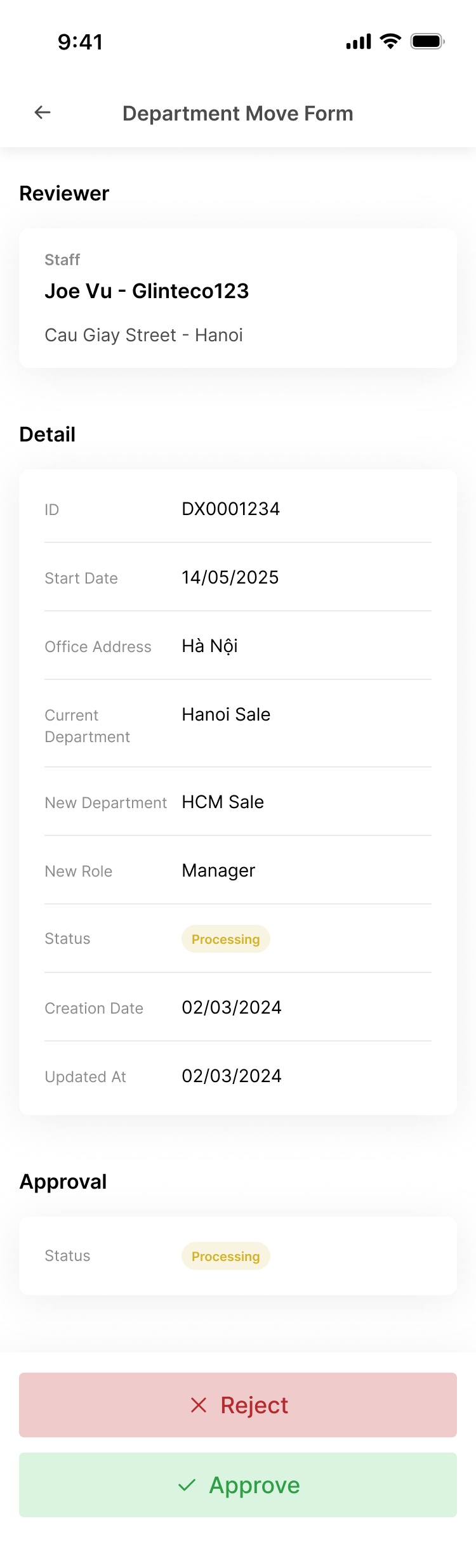
Building custom software isn't a one-and-done project. It requires sustained C-level commitment, an iterative development approach (think 2-4 week sprints), and a focus on delivering immediate ROI. Most successful builds start with a Minimum Viable Product (MVP) and evolve over time, showing tangible returns within 18-24 months.
In an increasingly automated and AI-driven world, the gap between businesses that rely on generic tools and those that wield purpose-built technological assets will only widen. For market leaders, building their own software isn't just a choice, it's the foundation of future dominance.