Your Dev Team Shipped On Time. So Why Is Your Business Failing?
By khoanc, at: May 5, 2026, 7:31 p.m.
Estimated Reading Time: __READING_TIME__ minutes
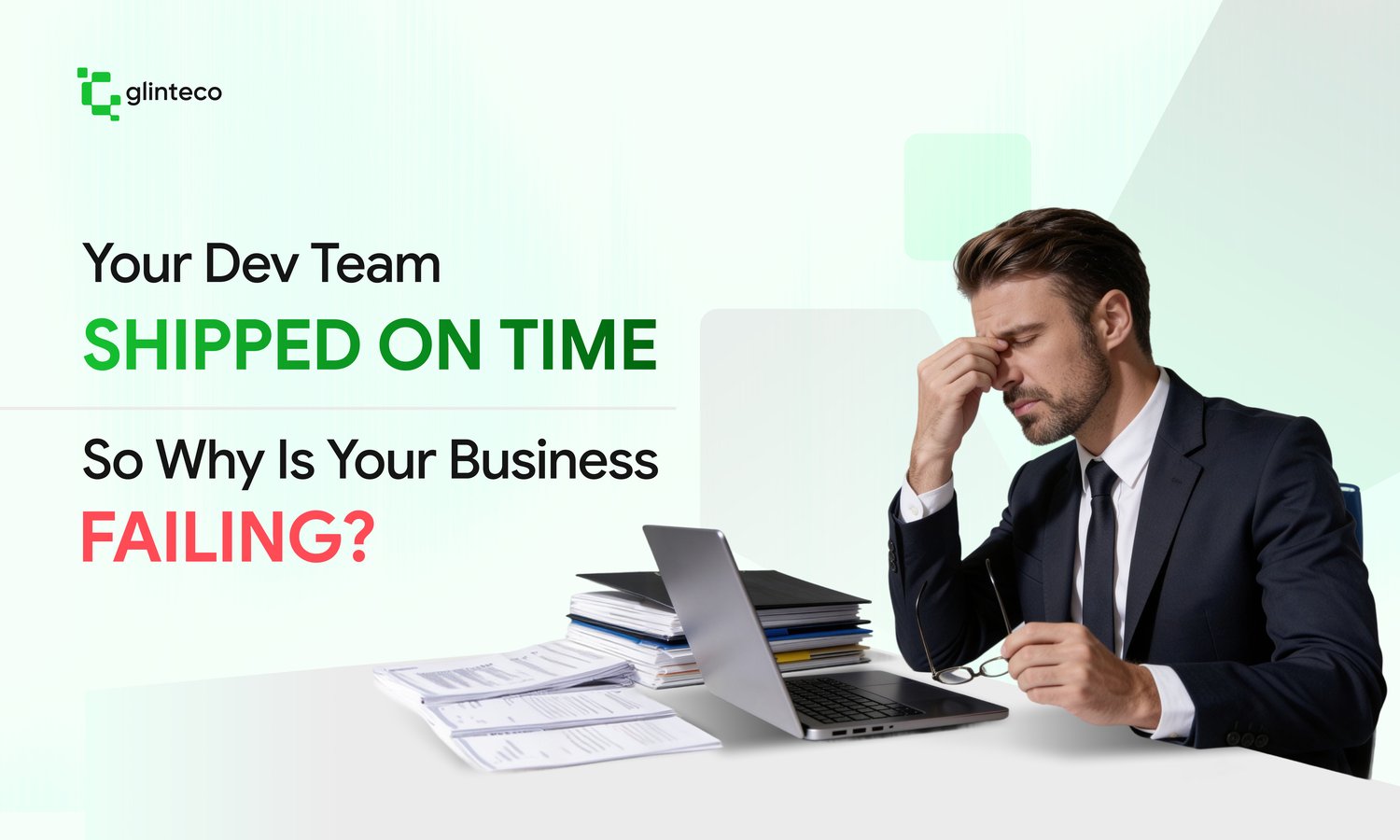
Most founders I talk to have been burned the same way.
The feature was delivered. The sprint was closed. The vendor sent an invoice.
And six months later, the founder is staring at a full rebuild—because the system couldn't scale past 1,000 users, or the architecture locked them into a dead end nobody flagged.
"Done as requested" is the most expensive phrase in software.
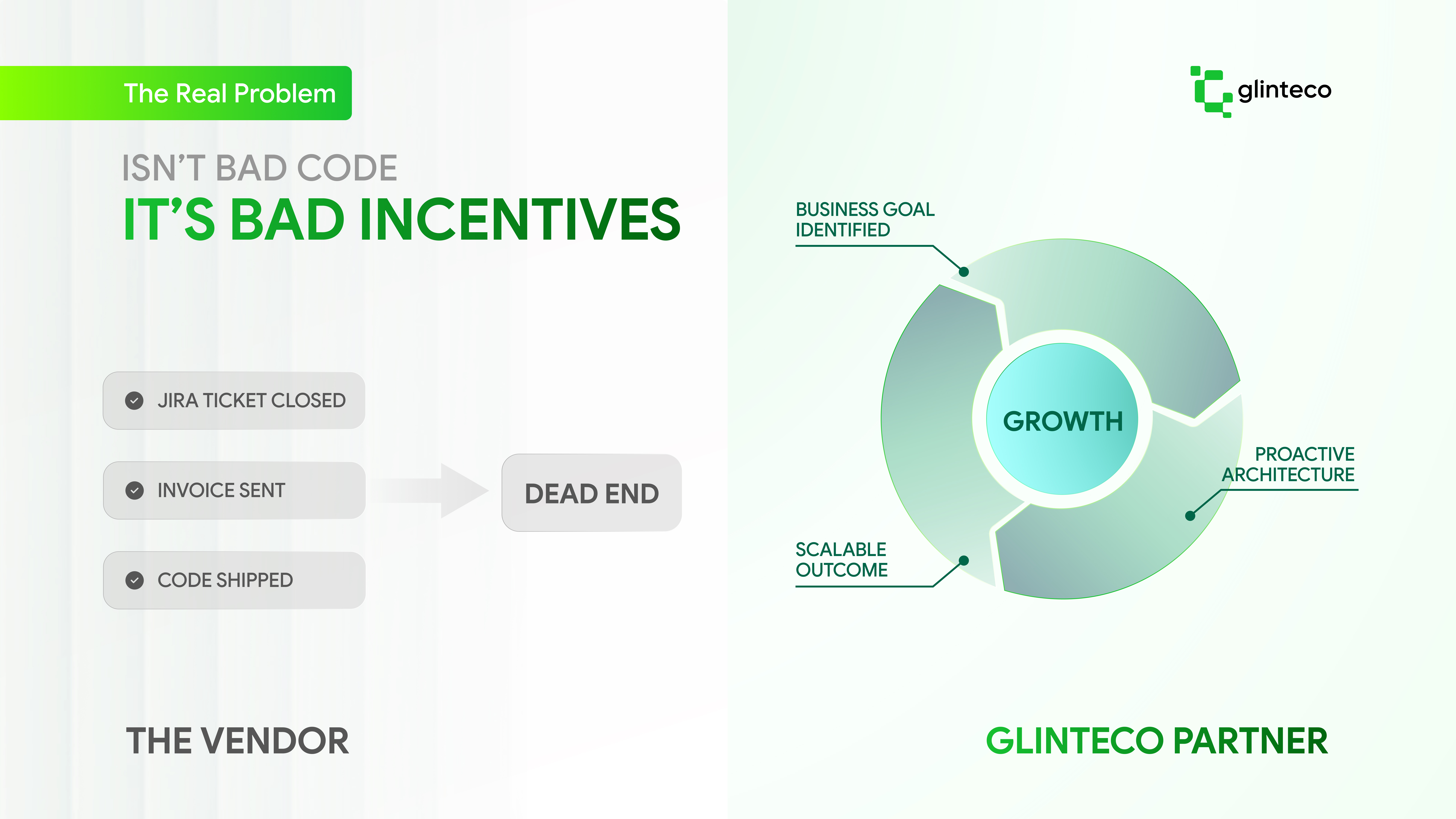
The Real Problem Isn’t Bad Code
It’s bad incentives.
Traditional outsourcing vendors are paid to close tickets. So they close tickets. They don’t ask whether the feature actually serves the business goal. According to industry analysis by Gartner, a lack of business-IT alignment is one of the top reasons digital transformations fail.
What Outcome Ownership Actually Looks Like
STLPro.com is one of the larger Amazon e-commerce operations we've worked with. When they came to us, they had thousands of products and zero real-time visibility into true profitability.
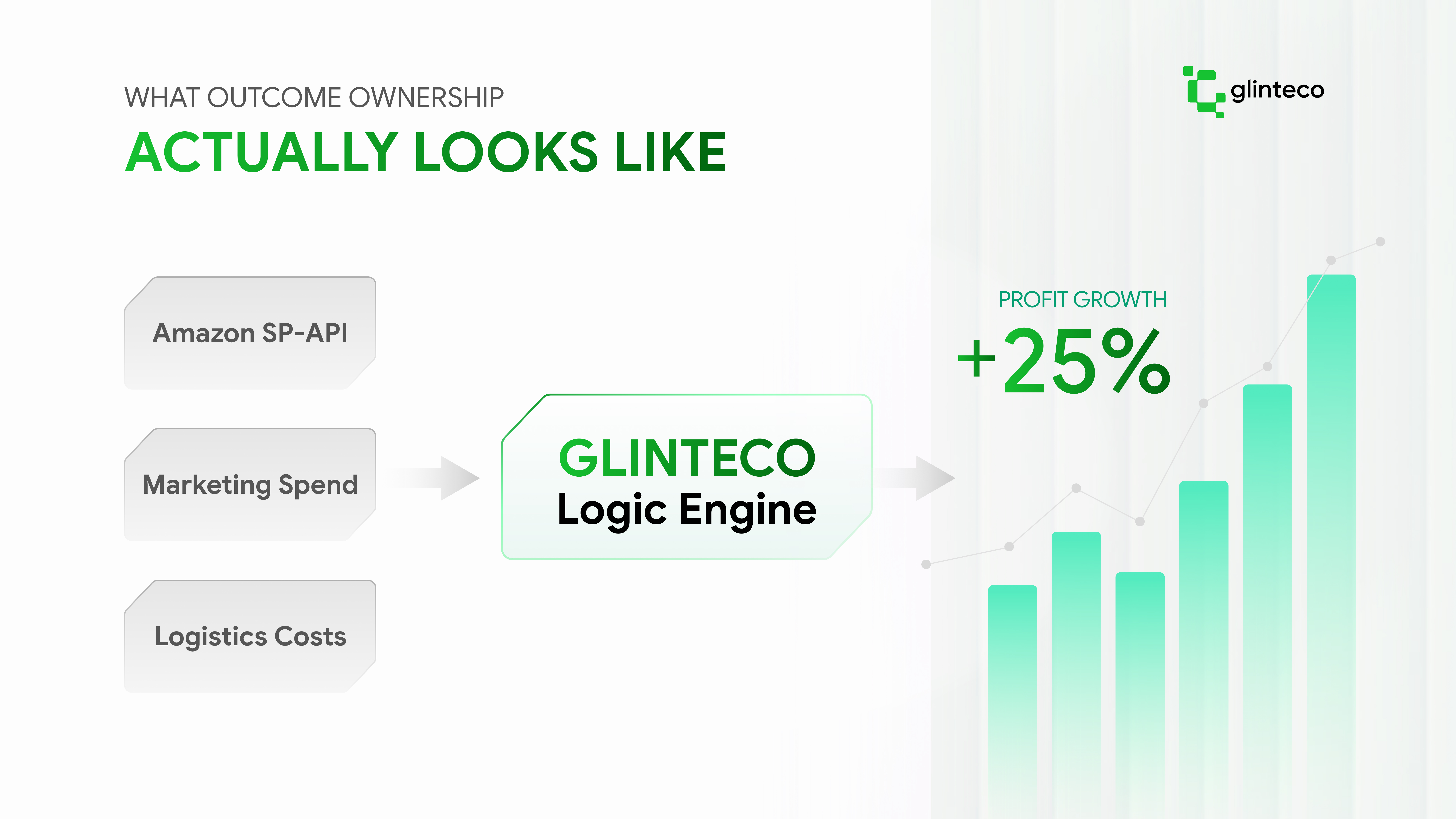
A task-execution vendor would have built them a dashboard. We built them a financial intelligence system. We worked backward from the business question: Why are margins unpredictable?
The result was a bot that continuously calculated profit per product, factoring in live Amazon SP-API fees, advertising spend, and logistics. Decisions shifted from gut-feel to data-driven. Average profit per product went up 20–25%.
Where This Mindset Comes From
I studied at UNSW (University of New South Wales) in Australia. What that environment gave me wasn’t just a degree—it was a model of professional trust built on structured transparency.
In Australian and US startup culture, the expectation is clear: if you see a problem coming, you say something. We built that into the DNA of how Glinteco operates:
-
Engineers talk directly to clients: No "account manager" buffer to dilute the truth.
-
Radical Honesty: If a choice is risky, we say so immediately with an alternative.
-
Proactive Warnings: We report potential blockers before they hit your budget.
Being a father of two also changed how I think about Technical Debt. A quick fix today is a crisis tomorrow. For every system we build, I ask: Will this still be standing in three years?
AI is Raising the Stakes
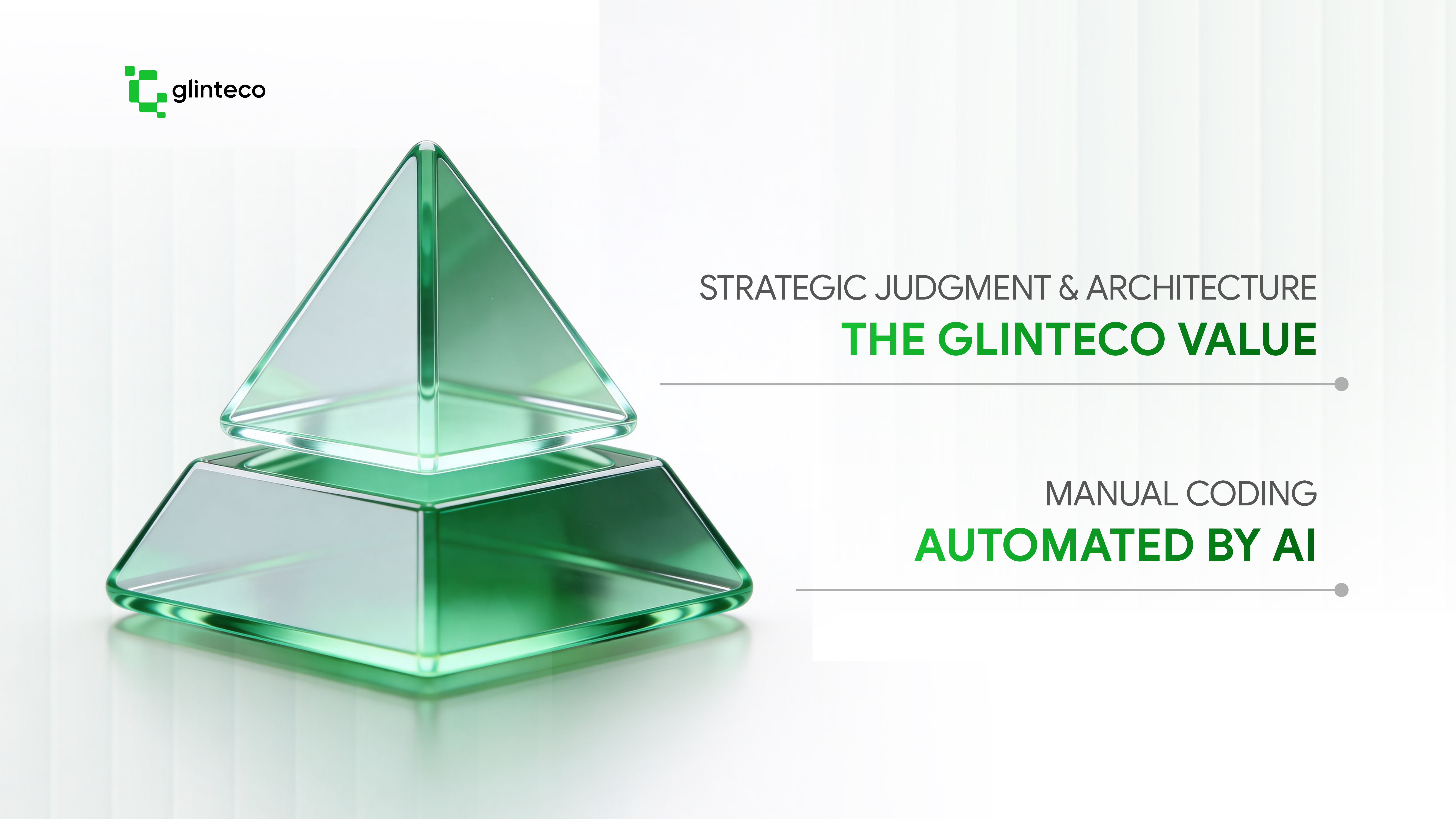
AI-assisted development is automating the routine parts of coding at lightning speed. But as McKinsey & Company notes, the shift is moving from "generative" to "strategic." AI cannot automate judgment—knowing what to build and why.
Writing code is becoming a commodity. Designing systems and challenging assumptions—that’s where the value lives now.
We saw this with Pirc.ai: we didn’t just plug in an LLM. We built a system that let contractors turn plain sentences into professional itemized quotes—reducing preparation time by 80%.
Vietnam’s Speed. Ownership Culture’s Standards.
Vietnam produces genuinely strong engineering talent. But the industry default is still execution-mode: wait for the ticket, build, move on. We deliberately work against that.
Before we write a line of code, we’re thinking about PostgreSQL scalability, API rate limits, and failure states. Not because a ticket said to—but because that’s what ownership looks like.
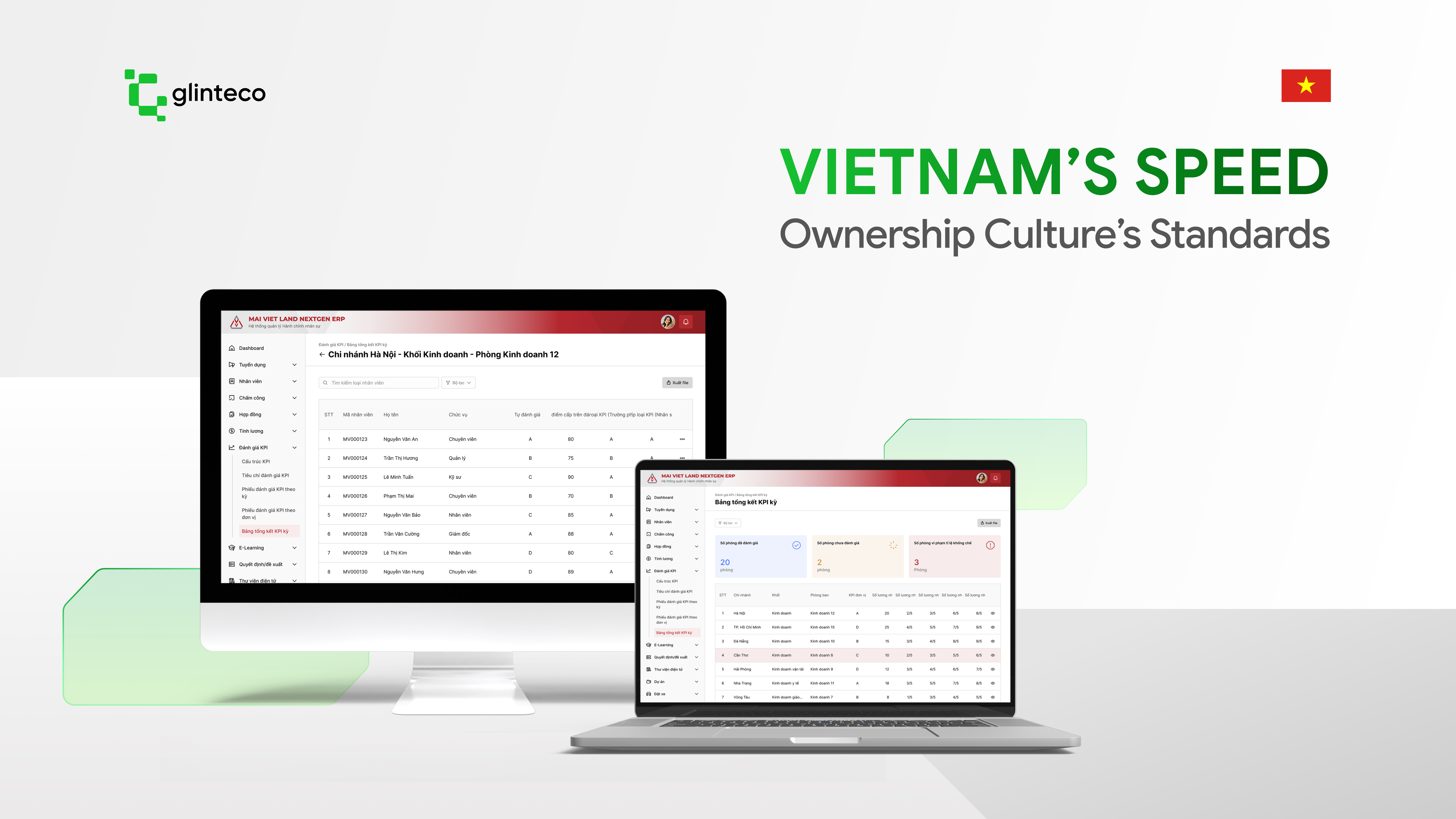
For MaiVietLand, we didn't just build an ERP; we built a scalable backbone that manages human resources, accounting, and real estate transactions in one unified flow.
Is Your Current Team a Vendor or a Partner?
A vendor delivers the ticket. A partner owns the result.
If you’re building a system that needs to scale—not just launch—we should talk.